Understanding Pants Sizes: A Global Puzzle
Buying pants online or even in a store can be frustrating when the numbers dont match what you expect. Sizes differ between countries, brands, and even specific styles. A size 32 in one brand might fit like a 34 in another. The key to avoiding returns and finding your perfect fit is understanding how to measure yourself correctly and learning the basics of size conversion. This guide breaks down everything you need to know about pants sizes for men and women, focusing on common measurement methods, waist charts, and inseam standards. Whether you are shopping in Brazil, the United States, or Europe, knowing your exact measurements makes the process simple.
How to Take Your Own Measurements Accurately
Before looking at any size chart, you need accurate body measurements. Using a flexible measuring tape is essential. Do not use a metal ruler or a stiff cord because these will not follow the curves of your body. Have someone help you if possible, or stand in front of a mirror to check placement. The four most important measurements for pants are waist, hips, inseam, and thigh. Each one plays a role in determining whether a pair of pants will fit well or feel tight in certain areas.
To measure your waist, find the narrowest part of your torso, usually just above your belly button and below your ribcage. Wrap the tape around this area without pulling it tight. Keep the tape parallel to the floor and let it rest against your skin. Breathe normally and do not suck in your stomach. For most people, the waist measurement is smaller than the hip measurement. That difference is crucial for brands that use hip measurements for women's sizes.
For hips, measure at the widest part of your buttocks and thighs. This is usually around the fullest part of your glutes, about 20 centimeters below your natural waist. Keep your feet together and ensure the tape stays parallel to the floor. This measurement is especially important for women and for men who carry weight in their lower body. If your hips are significantly wider than your waist, you may need to look for pants labeled as curvy or relaxed fit.
The inseam is the length from the crotch seam of the pants to the bottom of the leg hem. To measure your own inseam, stand with your feet about shoulder width apart. Run the measuring tape from the crotch point straight down the inside of your leg to the floor. For a more accurate number, measure a pair of pants that already fit you well in length. Lay them flat on a table and measure from the crotch seam to the hem. Standard inseam lengths vary by style. Many mens chinos and jeans come in 30, 32, or 34 inches. For women, 28 to 30 inches is common for straight legs, while cropped styles might be 26 inches.
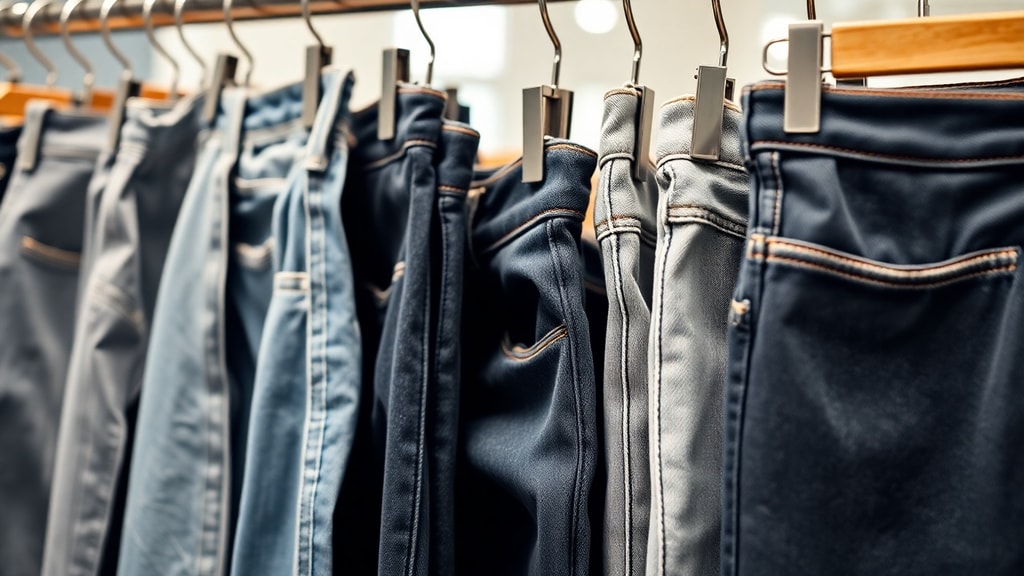
Finally, measure your thigh and ankle if you want a tapered or skinny fit. For the thigh, measure around the widest part of your upper leg, just below the crotch. For the ankle, measure around the narrowest part of your leg just above the ankle bone. These measurements help you determine if a pant leg will be too tight or too loose. With these four numbers, you can compare them directly to any size chart.
Men's Waist Sizes: US, UK, and European Conversion
Men's pants sizes are usually based on waist circumference in inches, but that number can be misleading. A size 32 in the United States or United Kingdom typically corresponds to a waist measurement of approximately 32 inches, or 81 centimeters. However, European sizes use a different system based on centimeters. For example, a US 32 is equivalent to a European size 40 in France. In the UK, brands often use the same inch system as the US, but some European brands label pants with a single number like 40 or 42.
Here is a simple reference for common men's waist sizes. The waist circumference listed is the actual measurement around your body, not the size number on the label. Most charts add about 1 to 2 centimeters of ease, meaning the waistband of the pants is slightly larger than your body measurement to allow for movement and comfort.
- XS: waist circumference 66 to 70 centimeters (approximately 26 to 27.5 inches)
- S: 70 to 74 centimeters (27.5 to 29 inches)
- M: 74 to 78 centimeters (29 to 30.5 inches)
- L: 78 to 82 centimeters (30.5 to 32 inches)
- XL: 82 to 86 centimeters (32 to 34 inches)
- 2XL: 86 to 90 centimeters (34 to 35.5 inches)
It is important to note that these ranges can vary by brand. Some athletic fit pants have a smaller waist compared to the hip and thigh measurements. When shopping online, always check the specific brand's size chart. Many retailers list the waist measurement in inches and the inseam in inches. For example, a pair of jeans might be labeled 34/30, meaning a 34 inch waist and a 30 inch inseam. In European terms, that waist size corresponds to about 86 centimeters, which fits a person with a waist circumference of roughly 84 to 86 centimeters.
Women's Size Conversion: Brazil to USA
Women's pants sizes are often more complicated than men's because they use numbered systems that do not correspond directly to measurements. In Brazil, sizes start at 34 and go up in increments of 2, with 34 being very small and 54 being plus size. To convert Brazilian sizes to US sizes, subtract 34 from the Brazilian number. So a Brazilian size 36 equals a US size 2, and a Brazilian size 44 equals a US size 10. This rule works for most standard women's clothing, but each brand may have slight variations.
In the United States, women's pants are often labeled with two numbers separated by a slash, such as 29/30. The first number is the waist measurement in inches, and the second is the inseam in inches. For example, 29/30 means a 29 inch waist and a 30 inch inseam. This system is more precise than the numbered dress size, but it requires knowing your exact waist and inseam. Many women prefer to use the waist and hip measurements to find the right fit, especially if they have a larger hip to waist ratio.
For plus size women, the conversion is similar. A Brazilian size 50 corresponds to a US size 16, and a Brazilian size 54 corresponds to a US size 20. Always check the specific retailer's chart because some brands use vanity sizing, where a size 10 may actually be larger than a standard size 10. The best approach is to measure your waist and hips and compare them directly to the measurements on the size chart, rather than relying on the number alone.
| Body Weight (kg) | Suggested Brazilian Size | Common Label |
|---|---|---|
| Up to 73 | 38 | P / M |
| 86 to 90 | 44 | G / GG |
| 101 to 110 | 48 | GG / EXG |
Keep in mind that weight alone is not a perfect guide because body composition varies. Someone with more muscle mass may have a smaller waist but heavier overall weight. Always use tape measurements for accuracy.
Inseam Standards and Finding Your Length
Inseam is often overlooked, but it is just as important as waist size. Pants that are too long bunch up at the ankle and look sloppy. Pants that are too short make you look cramped. Most size charts use 76 centimeters, or 30 inches, as the standard inseam for both men's and women's pants across various sizes. This length works well for people who are about 5 feet 9 inches to 6 feet tall. If you are shorter or taller, you need to look for pants with a different inseam.
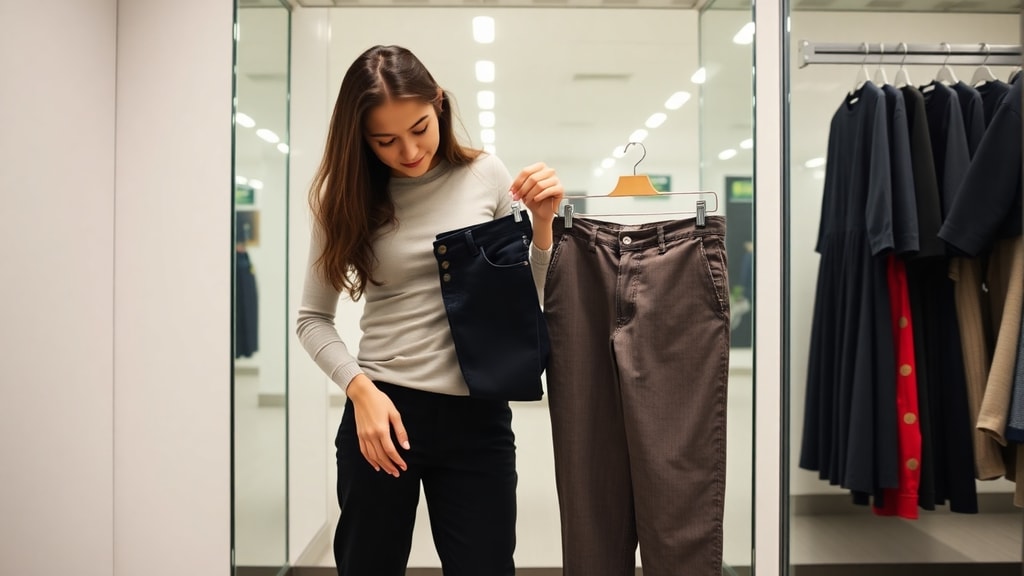
For men, common inseam options are 28 inches (71 centimeters), 30 inches (76 centimeters), 32 inches (81 centimeters), and 34 inches (86 centimeters). Jeans and chinos often come in multiple inseam lengths, while dress pants may be sold with a single length that needs to be hemmed. For women, inseam lengths vary more by style. Cropped pants might have a 26 inch inseam, while bootcut or straight leg pants have a 30 inch inseam. When in doubt, choose a longer inseam and have the pants hemmed by a tailor. It is easier to shorten pants than to lengthen them.
To determine your ideal inseam, measure your current favorite pants. If you do not have a pair you like, stand with your feet flat and measure from your crotch to the floor. For a full break at the ankle, add 1 to 2 centimeters. For a no-break look, use the exact measurement to the floor. For a cropped look, subtract 2 to 4 centimeters. This gives you a target inseam number. When shopping, look for pants labeled with that inseam or a close match.
How to Use Size Charts Effectively
Size charts are only useful if you know your measurements. Before you buy pants online, write down your waist, hip, and inseam measurements in both centimeters and inches. Then find the size chart for the specific brand you are considering. Do not assume that a size large in one brand equals a size large in another. Compare your numbers to the chart. If your waist measurement falls between two sizes, go with the larger size if you prefer a looser fit or if the pants are made of non-stretch fabric. Go with the smaller size if the fabric has stretch or if you want a snug fit.
Pay attention to the fabric content. Stretch denim or woven pants with elastane can accommodate a range of measurements. Rigid denim or cotton pants have no stretch and require a more exact fit. If the pants are 100 percent cotton, the waist measurement on the chart should be very close to your actual waist measurement. If the pants have 2 percent elastane, you can comfortably size down by one inch.
Another helpful tip is to read customer reviews for the specific product. Reviewers often mention whether a pair runs large, small, or true to size. They may also share their own measurements and what size they ordered. This real world feedback can save you from ordering the wrong size. Also check the return policy of the store. Even with careful measuring, you may need to exchange or return pants.
Common Mistakes When Buying Pants Online
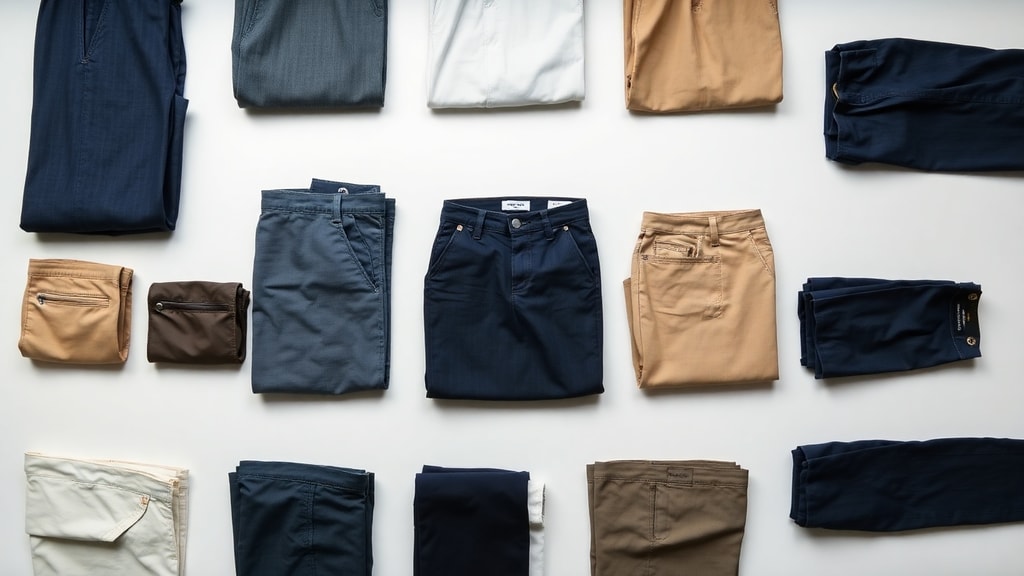
Many people make the mistake of using their old pants size as a reference without measuring. Clothing sizes change over time, and your body weight can shift. Always take fresh measurements before ordering. Another common error is ignoring the hip measurement. If your hips are wider than the waist measurement suggests, the pants may fit in the waist but be too tight in the seat and thighs. This is especially common for women who have a pear shaped body and for men who have muscular legs.
Some shoppers also forget to account for the rise of the pants. The rise is the distance from the crotch seam to the top of the waistband. Low rise pants have a shorter rise, which can make the waistband sit lower on your hips. High rise pants have a longer rise and sit at your natural waist. If you buy low rise pants, you may need a larger waist size because the waistband sits on a wider part of your body. Always check the rise measurement if it is listed on the size chart.
Finally, people often ignore the length of the pant leg relative to their shoe height. If you wear boots or heels, you may need a slightly longer inseam to cover the top of the footwear. If you wear flat shoes or sneakers, a shorter inseam works better. Consider what shoes you will wear most often with the pants and adjust the inseam length accordingly.
Practical Tips for Different Body Types
If you have a slim build with a waist measurement of 66 to 70 centimeters, look for pants labeled XS or size 26 to 28 in men. For women, that corresponds to Brazilian size 34 or US size 0. Avoid baggy styles because they will overwhelm your frame. Instead, choose slim straight or tapered fits. If you have an athletic build with a waist of 78 to 82 centimeters and larger thighs, look for pants labeled as athletic fit or relaxed fit. These have extra room in the seat and thighs without being loose in the waist.
For plus size bodies with a waist above 100 centimeters, look for pants labeled with extended sizes or plus size. Many online stores have dedicated size charts for plus sizes that go up to 5XL or more. Do not try to squeeze into a regular size large, as this will be uncomfortable and look bad. Use the hip measurement as your primary guide, since plus size pants often have a generous waist but may still be tight in the hips.
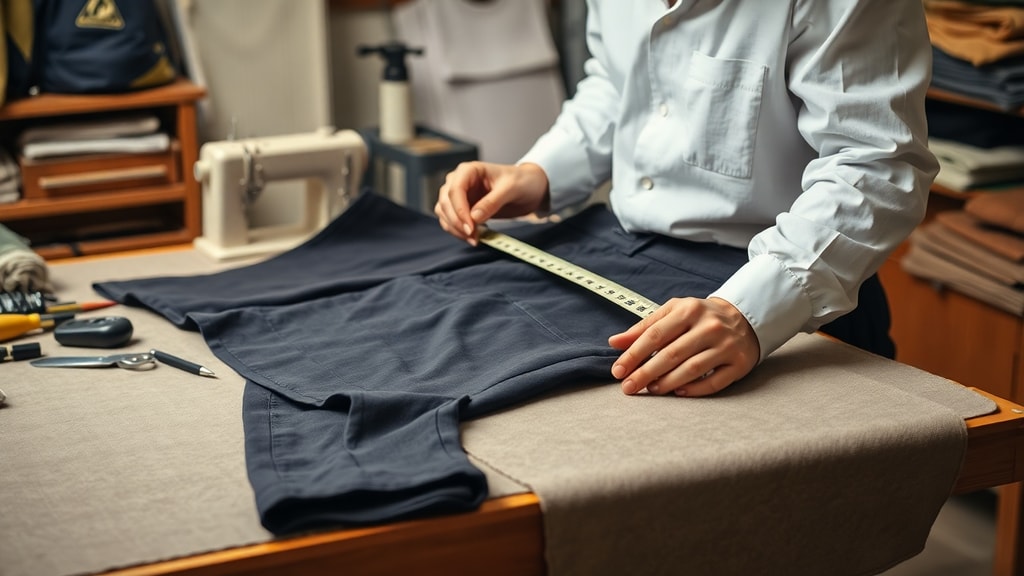
For people with a long torso and short legs, look for pants with a shorter inseam or be prepared to hem them. Conversely, if you have short legs and a long torso, look for pants with a longer rise to avoid a gap at the back of the waistband. Petite women should look for pants labeled as petite length, which usually have an inseam of 26 to 28 inches. Tall men should look for pants labeled as tall, with an inseam of 34 inches or longer.
References
Naos Optics. "Sizing Chart Pants." Accessed June 2025. https://www.naos-optics.com/pt/pages/sizing-chart-pants
Celio. "Guide des Tailles Pantalons." Accessed June 2025. https://www.celio.com/pt-pt/guide-des-tailles-pantalons.html
Esse Mundo e Nosso. "Tamanho de Roupas nos EUA e Brasil." Accessed June 2025. https://www.essemundoenosso.com.br/tamanho-de-roupas-nos-eua-brasil-tabela-de-conversao/
Caphunters. "Guia de Tamanhos Calca." Accessed June 2025. https://caphunters.pt/guia-de-tamanhos-calca
Original Denim. "Guia de Tamanhos." Accessed June 2025. https://originaldenim.com.br/guia-de-tamanhos/
BENTSTORE. "Guia de Medidas." Accessed June 2025. https://bentstore.com.br/guia-de-medidas/