Understanding the Flickering Candle Flame: A Comprehensive Guide
When you light a candle, you expect a steady, calm flame. But sometimes, the flame dances, flickers, or trembles. This phenomenon, known in Portuguese as chama da vela tremendo, has captured human curiosity for centuries. People often wonder if it carries a deeper meaning, whether spiritual or practical. In this article, we will explore the various interpretations of a flickering candle flame, from common physical causes to spiritual symbolism. We will also provide safety tips and practical advice to help you understand what your candle might be telling you. By the end, you will have a clear picture of why flames flicker and how to respond appropriately.
Physical Causes of a Flickering Flame
Before diving into spiritual meanings, it is essential to consider the most common reasons for a flickering flame. The primary cause is air movement. Drafts from open windows, doors, fans, or air conditioning vents can disturb the flame. Even your breath or a person walking nearby can create enough airflow to make the flame tremble. Another factor is the wick itself. If the wick is too long, uneven, or has a buildup of carbon, it can cause the flame to flicker. Excess wax around the wick can also lead to instability. Additionally, the candle may be placed on an uneven surface, causing the wax pool to shift and the flame to move. Always check these physical factors first before attributing any spiritual significance. This step ensures safety and prevents misinterpretation.
Spiritual Interpretations in Popular Tradition
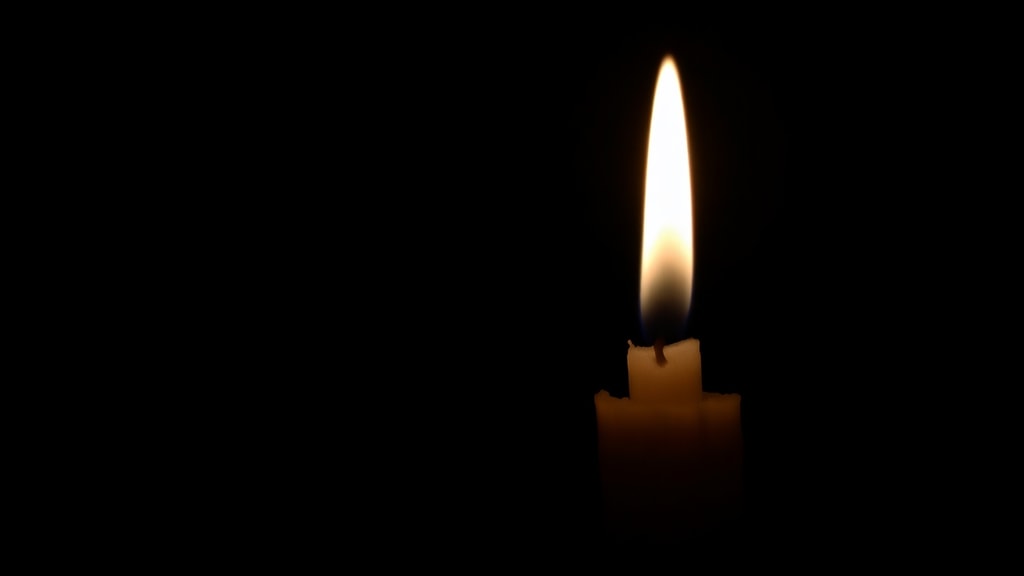
If you have ruled out physical causes, many spiritual traditions offer interpretations for a flickering flame. In popular belief, a trembling flame often signifies energetic movement or instability. It may indicate that your request or intention is being processed but that the outcome will unfold differently than expected. Some traditions view it as a sign of transformation, suggesting that change is necessary for your wish to be fulfilled. Others interpret it as a warning of obstacles, especially if another person is involved in your situation. For example, if you are asking about a relationship, a flickering flame might suggest uncertainty or external interference. However, not all interpretations are negative. Some traditions see a flickering flame as a positive sign that your request will be answered, despite difficulties. The key is to consider the context of your question and your own intuition.
Positive Meanings of a Flickering Flame
In certain spiritual practices, a flickering flame is welcomed as a sign of active energy. It can indicate that your prayers or intentions are being heard and that the universe is working on your behalf. For instance, in some Wiccan and witchcraft traditions, a tall, flickering flame is seen as a strong connection to the divine or to spirits. It may suggest that your request is powerful and that the answer is coming, even if it requires patience. Similarly, in some Brazilian spiritual traditions, a trembling flame can mean that your guardian spirits are present and communicating with you. This interpretation emphasizes the flame as a bridge between the physical and spiritual worlds. If you feel a sense of peace or warmth when observing the flicker, it may be a reassuring sign.
Negative or Cautionary Interpretations
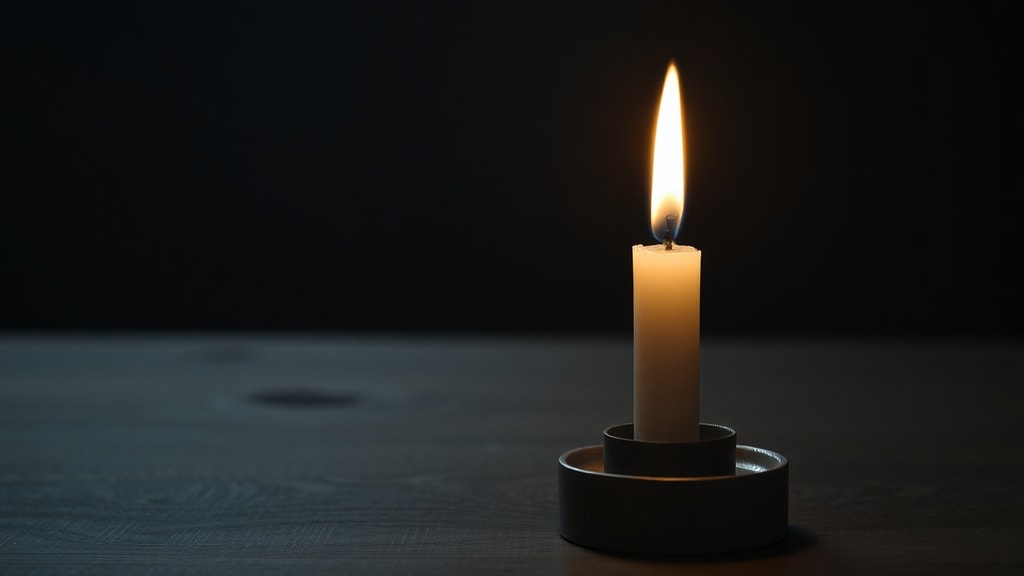
On the other hand, some traditions warn that a flickering flame can indicate negative energy or interference. It might suggest that your intentions are being blocked by external forces or that you need to be cautious. For example, in some forms of candle magic, a flickering flame is seen as a sign that the spell or prayer is not working as intended. It could mean that the energy is scattered or that you need to refocus your intentions. In Umbanda, a Brazilian religion, a candle that flickers excessively might indicate the presence of restless spirits or unresolved issues. However, it is important not to jump to conclusions. Always combine spiritual interpretations with practical observation. If you feel anxious or uneasy, it may be wise to extinguish the candle and try again later.
How to Interpret a Flickering Flame: A Step-by-Step Approach
To interpret a flickering flame accurately, follow these steps. First, ensure your environment is free from drafts. Close windows and doors, turn off fans, and avoid walking near the candle. Second, check the wick. Trim it to about one-quarter inch if it is too long. Remove any excess wax or debris. Third, place the candle on a stable, level surface. Fourth, observe the flame for a few minutes. Note its behavior: does it flicker constantly or only occasionally? Is it high or low? Does it produce smoke? Finally, consider your emotional state and the context of your question. If you feel calm and focused, the flicker may have spiritual meaning. If you are distracted or anxious, it may be a reflection of your own energy. Use your intuition as a guide, but always prioritize safety.
Common Candle Flame Behaviors and Their Meanings
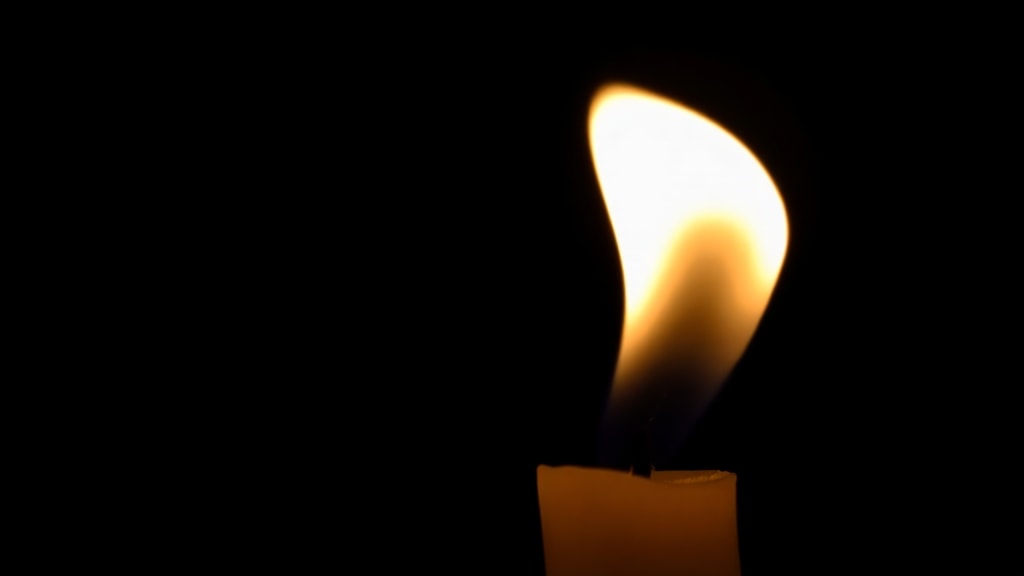
Here is a list of common candle flame behaviors and their traditional interpretations. Remember that these are based on popular beliefs and should not replace practical safety checks.
- Steady, tall flame: Indicates strong energy, clear intentions, and positive outcomes.
- Low, weak flame: Suggests low energy, obstacles, or the need for more focus.
- Flickering flame: Signifies movement, change, or external interference. Can be positive or negative depending on context.
- Smoky flame: Often indicates negative energy, blockages, or the need for purification.
- Sparking or crackling flame: May suggest communication from spirits or sudden changes.
- Flame that goes out suddenly: Can mean that the request is denied or that the energy is too weak.
Table: Quick Reference for Flame Interpretations
Below is a table summarizing common flame behaviors and their possible meanings. Use this as a quick guide, but always consider your personal context.
| Flame Behavior | Possible Physical Cause | Possible Spiritual Meaning |
|---|---|---|
| Steady and tall | Good wick, no drafts | Strong energy, positive outcome |
| Flickering | Drafts, uneven wick | Change, movement, or obstacles |
| Low and weak | Short wick, low wax | Low energy, need for focus |
| Smoky | Excess wax, poor quality | Negative energy, purification needed |
| Sparking | Impurities in wax | Spiritual communication, sudden change |
| Goes out suddenly | Strong draft, wick issue | Denial, weak energy |
Safety First: Practical Tips for Candle Use
Safety should always be your top priority when working with candles. Never leave a burning candle unattended. Keep it away from flammable materials like curtains, papers, or bedding. Place it on a heat-resistant surface. Trim the wick regularly to prevent excessive flickering and smoke. Use a candle snuffer to extinguish the flame instead of blowing it out, as blowing can cause hot wax to splatter. If you notice excessive flickering or smoke, check for drafts or wick issues. If the flame becomes too high or erratic, extinguish it immediately. Remember that a flickering flame is often a sign of a physical problem, not a spiritual one. By addressing safety concerns first, you can enjoy your candle practice with peace of mind.
Cultural and Historical Context
The interpretation of candle flames has deep roots in many cultures. In ancient Rome, candles were used in religious ceremonies, and their flames were seen as messages from the gods. In medieval Europe, candle flames were believed to reveal the presence of spirits or to predict the future. In African diaspora religions like Santeria and Candomble, candles are central to rituals, and their flames are carefully observed for signs. In Brazilian spiritual traditions, such as Umbanda and Spiritism, candles are used to communicate with spirits, and a flickering flame is often interpreted as a sign of spiritual activity. These cultural practices show that the meaning of a flickering flame is not universal but varies by tradition. Understanding your own cultural background can help you interpret the flame in a way that resonates with you.
Personal Reflection and Intuition
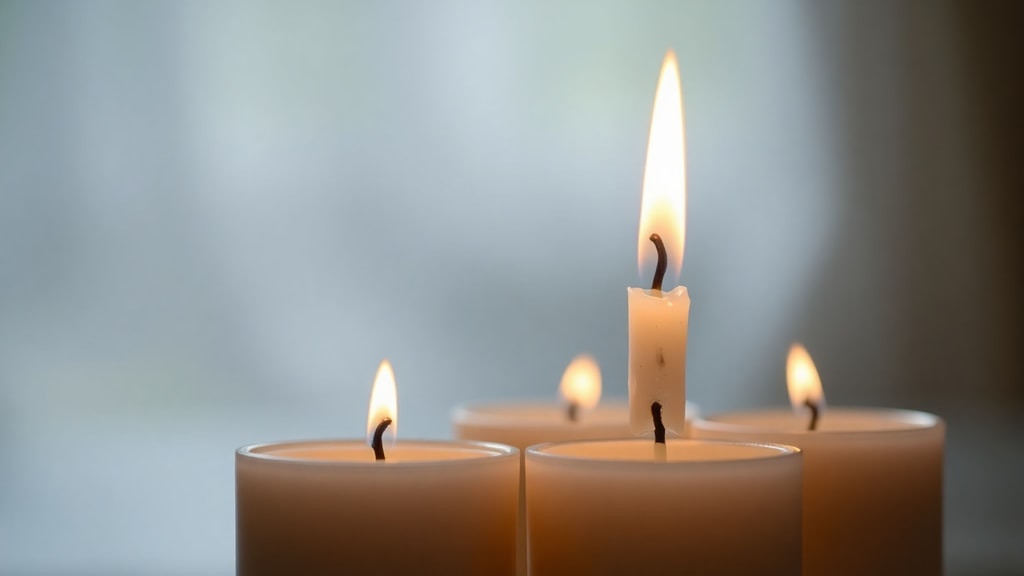
Ultimately, the most important tool for interpreting a flickering flame is your own intuition. While external sources can provide guidance, your personal feelings and experiences matter most. When you observe a flickering flame, take a moment to quiet your mind. Ask yourself what you are feeling. Are you anxious, hopeful, or calm? Does the flame seem to respond to your thoughts? Some people believe that the flame reflects the energy of the person who lit it. If you are feeling restless or uncertain, the flame may mirror that. If you are focused and peaceful, the flame may become steady. Trust your inner wisdom. If a particular interpretation feels right to you, it likely is. Remember that candle work is a personal practice, and there is no single correct answer.
When to Seek Professional Guidance
If you are consistently experiencing flickering flames and feel that it has a spiritual significance, you may want to consult a professional. This could be a spiritual advisor, a medium, or a practitioner of your chosen tradition. They can offer insights based on their experience and help you understand the messages you are receiving. However, be cautious of anyone who claims to have absolute answers or who asks for money for simple interpretations. True spiritual guidance should empower you, not create dependency. Also, consider that frequent flickering may indicate a problem with your candles or environment. If you are using low-quality candles, they may flicker due to impurities. Investing in high-quality candles can reduce physical issues and make spiritual interpretations more reliable.
Integrating Candle Work into Your Daily Life
Using candles for spiritual or meditative purposes can be a rewarding practice. To get the most out of it, create a consistent routine. Choose a quiet time and place where you will not be disturbed. Set a clear intention before lighting the candle. This could be a prayer, a wish, or a question. Observe the flame without judgment. Notice its color, height, and movement. If it flickers, consider the possible meanings we have discussed. Write down your observations in a journal. Over time, you may notice patterns that help you understand your own spiritual language. Remember that candle work is not about predicting the future but about connecting with your inner self and the world around you. Enjoy the process and stay open to whatever insights come.
References
For further reading on the meanings of flickering candle flames, consider the following sources. These provide additional perspectives and safety guidelines. Always cross-reference information and use your own judgment. The first source discusses spiritual meanings with a focus on safety, emphasizing the importance of ruling out physical causes before interpreting. The second source explores messages transmitted through candles in Brazilian spiritual traditions. Both offer valuable insights for anyone interested in candle work.
Source: Medium (Br) – Chama da Vela: Significado Espiritual com Segurança. Available at: https://medium.ia.br/blog/chama-da-vela-significado-espiritual/
Source: Astros Zen – Mensagens Transmitidas pelas Velas. Available at: https://astrologia.oalquimistanatural.com.br/mensagens-transmitidas-pelas-velas/