The Birth of a Global Competition
The FIFA World Cup began as a vision of Jules Rimet, a French football administrator who served as president of FIFA. In the 1920s, international football was growing rapidly, but there was no organized global tournament for national teams. The Olympic football tournaments were the closest equivalent, but they were restricted to amateur players and did not represent the full strength of world football. In 1928, Rimet proposed the creation of a world championship open to professional players, with a format that would bring together the best national teams from every continent. That same year, the FIFA Congress in Amsterdam officially approved the plan. The first tournament was scheduled for 1930. The original name for the trophy was the Jules Rimet Cup, a tribute to the man who made the dream a reality. The creation of the World Cup represented a turning point in sports history, establishing a tradition that would grow into the most watched sporting event on the planet.
The early years of the competition were shaped by limited transport and communication, but the enthusiasm for football transcended borders. Thirteen nations accepted the invitation to participate in the first World Cup. No qualifying rounds were held; all teams entered by invitation. The choice of Uruguay as the host nation was symbolic. Uruguay had won the Olympic gold medals in football in 1924 and 1928, establishing itself as the strongest team in the world at the time. Additionally, 1930 marked the centenary of Uruguayan independence, making the country a fitting venue for a tournament celebrating international unity through sport. The Uruguayan government committed to building a grand stadium, the Estadio Centenario, which would become the stage for the first final. The birth of the World Cup was not merely a sporting event but a diplomatic and cultural milestone that brought together nations from the Americas and Europe in a spirit of peaceful competition.
The First Tournament: Uruguay 1930
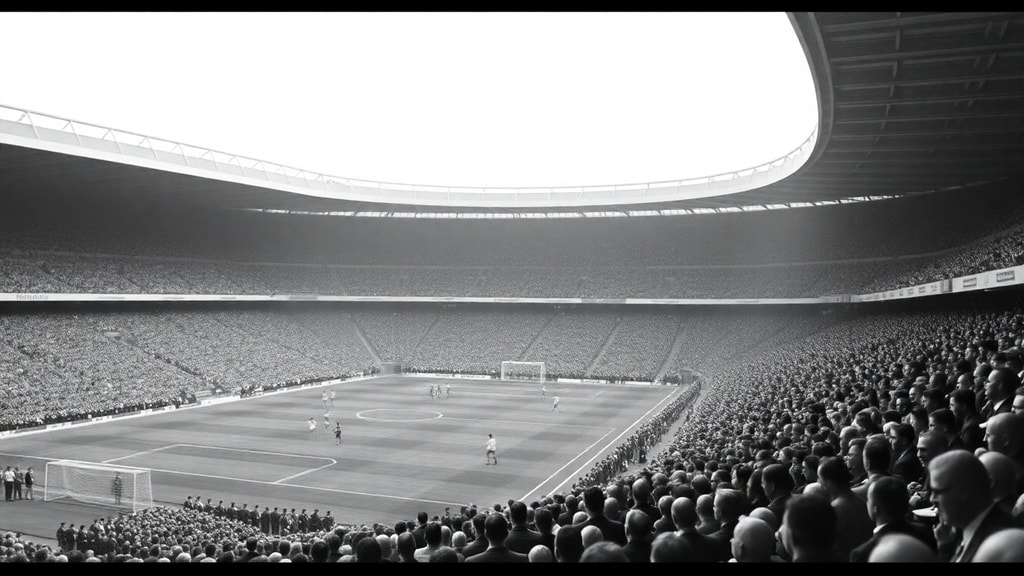
The 1930 World Cup was a compact affair by modern standards. The thirteen teams were divided into four groups, with the winners of each group progressing to the semi finals. The teams came primarily from the Americas, with only four European nations making the journey across the Atlantic: France, Belgium, Yugoslavia, and Romania. Many European teams declined to participate because of the long and expensive voyage. The tournament kicked off on July 13, 1930, with France defeating Mexico 4-1 in the opening match. The games were played in three stadiums in Montevideo. The quality of football was high, and the crowds were enthusiastic. The final took place on July 30 at the Estadio Centenario, with Uruguay facing Argentina. The match was a tense affair, with Argentina leading 2-1 at half time. Uruguay mounted a comeback in the second half, winning 4-2 and claiming the first World Cup trophy. The victory sparked massive celebrations across Uruguay, and the team became national heroes. The 1930 World Cup set a precedent for future tournaments, demonstrating that international football could capture the imagination of millions.
The tournament also established the tradition of the trophy being awarded to the champion. The Jules Rimet Cup was a small gold statue depicting the Greek goddess of victory, Nike. The trophy was designed by French sculptor Abel Lafleur. It stood 35 centimeters tall and weighed about 3.8 kilograms. The cup was originally made of gold-plated sterling silver. The rules stated that the trophy would be awarded permanently to any nation that won three World Cups. This rule would later influence the history of the game, as Brazil became the first country to achieve that feat in 1970. The 1930 World Cup was more than a competition; it was a declaration that football was a global language. It laid the foundation for a tournament that would survive wars, political boycotts, and economic crises, growing into a symbol of human achievement and cultural exchange.
The Trophy and Its Name
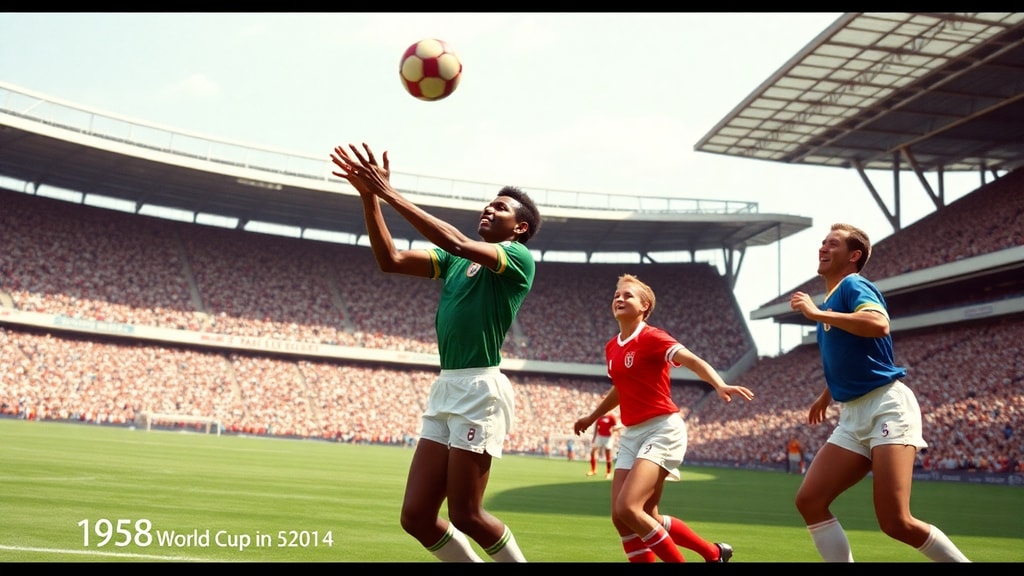
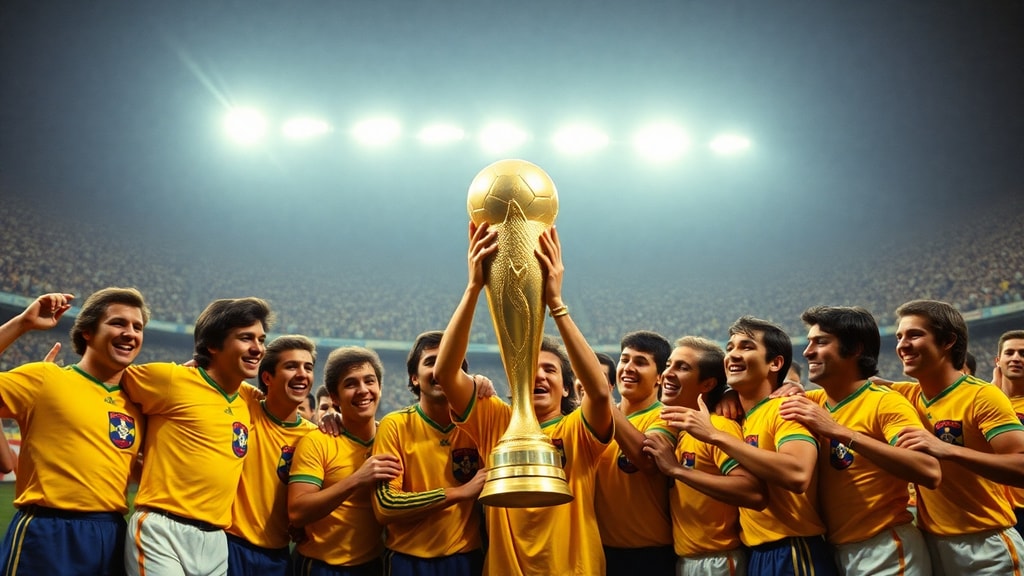
From its inception in 1930 until 1970, the World Cup trophy was officially called the Jules Rimet Cup. The name honored the Frenchman who conceived the tournament and served as FIFA president from 1921 to 1954. Rimet was a passionate advocate for international football and believed that the sport could promote peace and understanding between nations. His vision was realized as the World Cup grew in prestige and participation. The trophy itself became a coveted object, and its history is filled with remarkable stories. During World War II, the trophy was hidden in a shoe box under the bed of FIFA official Ottorino Barassi to prevent it from falling into the hands of occupying forces. In 1966, the trophy was stolen in England while on public display, only to be found by a dog named Pickles, who became a national celebrity. The original Jules Rimet Cup was eventually awarded permanently to Brazil after their third World Cup victory in 1970, as per the rules. The trophy was later stolen again in Brazil in 1983 and has never been recovered. A replica now resides at the Brazilian Football Confederation.
The decision to name the trophy after Jules Rimet underscored the personal connection between the man and the event. Rimet had fought for decades to establish a world championship, facing opposition from within FIFA and skepticism from European football associations. His persistence paid off, and the World Cup became his legacy. The trophy itself was replaced after 1974 by the FIFA World Cup trophy, a new design created by Italian artist Silvio Gazzaniga. The current trophy is made of 18-carat gold and depicts two human figures holding up the Earth. It stands 36.8 centimeters tall and weighs 6.1 kilograms. Unlike the original, this trophy is not awarded permanently to any winner; it remains the property of FIFA, and each champion receives a gold-plated replica. The history of the World Cup trophy mirrors the evolution of the tournament itself, from a modest gathering of thirteen teams to a global spectacle involving billions of spectators.
Expansion and Evolution of the Tournament
The World Cup has undergone significant changes since 1930. The number of participating teams has grown from 13 to 32, and will expand to 48 starting in 2026. This growth reflects the increasing popularity of football around the world. In the early decades, the tournament was dominated by South American and European teams, but over time, nations from Africa, Asia, and North America have become competitive. The format has also evolved. In 1934, the tournament adopted a straight knockout format from the start. In 1950, a group stage was reintroduced, culminating in a final group round instead of a single final match. The modern format, featuring a group stage followed by a knockout phase, was established in 1986 and has remained largely unchanged since. The expansion of the tournament has required more stadiums, more infrastructure, and more resources from host nations. It has also created opportunities for smaller footballing nations to compete on the world stage, inspiring new generations of players.
The World Cup has also been shaped by the geopolitical context of each era. The 1942 and 1946 tournaments were canceled due to World War II. The 1950 tournament marked the return of international football, with a poignant match between Brazil and Uruguay that is still remembered as the Maracanazo, one of the greatest upsets in sports history. The 1966 tournament saw England win its first and only title, with a controversial goal in the final. The 1970 World Cup in Mexico is often considered the greatest ever, featuring the brilliant Brazilian team led by Pelé. The 1982 tournament expanded to 24 teams, and the 1998 tournament introduced the third-place match. Each edition of the World Cup has its own story, its own heroes, and its own moments of drama. The tournament has become a stage for individual brilliance, team strategy, and national pride. It has also become a platform for social and political statements, from anti-apartheid protests to gestures of solidarity with global movements.
Key Records and Statistics
The history of the World Cup is rich with records that highlight the achievements of teams and players. The tournament has produced legendary figures such as Pelé, Diego Maradona, Zinedine Zidane, and Lionel Messi. The list of winners includes eight different nations. The following list presents the most successful teams in World Cup history based on titles won:
- Brazil: 5 titles (1958, 1962, 1970, 1994, 2002)
- Germany: 4 titles (1954, 1974, 1990, 2014)
- Italy: 4 titles (1934, 1938, 1982, 2006)
- Argentina: 3 titles (1978, 1986, 2022)
- France: 2 titles (1998, 2018)
- Uruguay: 2 titles (1930, 1950)
- England: 1 title (1966)
- Spain: 1 title (2010)
The table below summarizes the top five champions and their title years, providing a clear overview of the most dominant nations in World Cup history.
| Nation | Number of Titles | Winning Years |
|---|---|---|
| Brazil | 5 | 1958, 1962, 1970, 1994, 2002 |
| Germany | 4 | 1954, 1974, 1990, 2014 |
| Italy | 4 | 1934, 1938, 1982, 2006 |
| Argentina | 3 | 1978, 1986, 2022 |
| France | 2 | 1998, 2018 |
These statistics demonstrate the sustained excellence of certain footballing cultures. Brazil, in particular, stands out as the only nation to have participated in every edition of the World Cup, a streak that began in 1930 and continues to the present day. Brazil also holds the record for the most goals scored in World Cup history. The tournament has evolved from a small gathering to a global phenomenon, but the core elements of competition, skill, and passion remain unchanged.
The Modern Era and Future Changes
The World Cup in the 21st century has become a commercial and media juggernaut. The 2014 tournament in Brazil reached a global television audience of over 3 billion people. The 2018 event in Russia was praised for its organization and cultural exchange. The 2022 World Cup in Qatar was the first to be held in the Middle East and the first to take place in November and December due to the region's climate. Each host nation faces unique challenges, from infrastructure to climate to political scrutiny. The decision to expand the tournament to 48 teams starting in 2026 has generated both excitement and concern. Proponents argue that more teams will increase global participation and inspire football development in underrepresented regions. Critics worry that the quality of play will decline and that the tournament will become too long. Regardless of the debate, the World Cup continues to adapt to the changing landscape of international sports.
The growth of the women's game has also added a new dimension to the World Cup legacy. The FIFA Women's World Cup, first held in 1991, has grown rapidly in popularity and now stands alongside the men's tournament as a major global event. The success of both tournaments demonstrates the universal appeal of football as a sport that unites people across genders, cultures, and generations. The future of the World Cup will likely include further technological innovations, such as video assistant referees and goal-line technology, which have already been integrated into the game. Environmental sustainability and labor rights have also become important considerations for host nations. The World Cup remains a dynamic institution, constantly evolving while preserving the essence of its founding vision: a celebration of football that brings the world together. As the tournament approaches its centenary in 2030, the story of the World Cup continues to unfold, with new chapters written by every generation of players and fans.
References
The information in this article draws from reliable sources on the history of the FIFA World Cup. These include the CNN Brasil article on the history of the World Cup, which provides details on the origin and early editions. The Wikipedia page on the history of the FIFA World Cup offers a comprehensive overview of the tournament's evolution. The Globo Esporte feature on the history of the World Cup supplies specific data on the 1930 tournament and the first champion. The Brasil Escola article discusses the Jules Rimet trophy and Brazil's role in its history. The Goal.com article provides context on the origin and growth of the tournament. All sources were consulted to ensure accuracy and completeness in presenting the story of the World Cup from its inception to the present day.