Introduction to Circuit Breaker Tables
Understanding how to properly size a circuit breaker is essential for any electrical installation. A circuit breaker table, often referred to in Brazil as a tabela de disjuntores, is a technical reference that correlates the current rating of a breaker with the conductor size, installation voltage, and type of load. This guide explains the purpose of such tables, the governing standards, and how to apply them in residential and light commercial settings. By following these guidelines, you can ensure that your electrical panel operates safely and that each breaker trips before the wiring overheats.
What Is a Disjuntor Table?
A disjuntor table is a practical matrix that shows the maximum allowable current for a given wire gauge, based on the conductor material and installation method. In Brazil, these tables are strictly governed by NBR 5410, the standard for low voltage electrical installations. The table tells you which breaker rating to use for circuits such as lighting, general outlets, and high-power appliances like electric showers and air conditioners. For example, a standard 1.5 mm² copper wire in conduit can typically handle up to 15.5 amps under certain conditions, so the breaker must be rated at 10 or 16 amps depending on the load type and derating factors. Without consulting the table, you risk installing a breaker that is too large, which will not protect the wire from overheating, or one that is too small, causing nuisance tripping.
Key Rules and Standards
Every tabela de disjuntores follows the principle that the nominal current of the breaker must never exceed the current capacity of the conductor it protects. If a cable is rated for 20 amps, the breaker must be rated at 20 amps or the next lower standard size, such as 16 amps. This rule prevents the wire from melting before the breaker trips. Another critical factor is the trip curve of the breaker. Curve B breakers are designed for resistive loads like incandescent lights and resistive heaters. Curve C breakers are used for moderate inductive loads such as standard motors, small air conditioners, and fluorescent lighting with electronic ballasts. Curve D breakers handle high inrush currents from heavy industrial motors, transformers, and large compressors. Choosing the wrong curve can cause nuisance tripping or insufficient protection.
Common Residential Values for 220 Volt Single Phase
Below is a list of typical circuit breaker and wire combinations for a 220 volt monophase residential installation. These values are based on NBR 5410 and assume copper conductors installed in non-metallic conduit. Always check local regulations and derating factors for your specific installation.
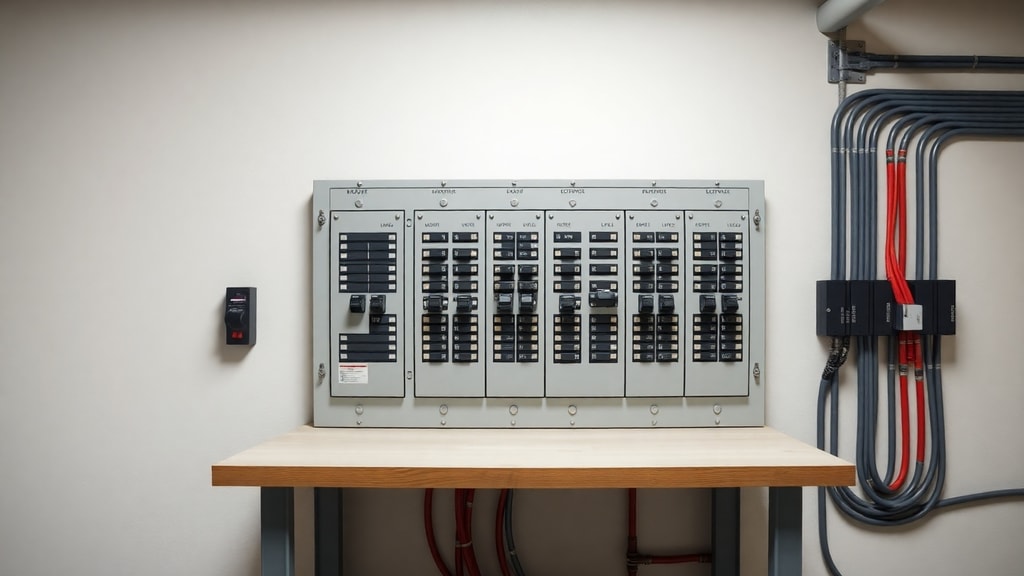
- 10 A breaker: Used for lighting circuits with 1.5 mm² wire.
- 16 A breaker: General purpose outlets with 2.5 mm² wire.
- 20 A breaker: Kitchen outlets and dedicated circuits for smaller appliances with 2.5 mm² wire.
- 25 to 32 A breaker: High-power electric showers and water heaters, requiring 4 mm² to 6 mm² wire.
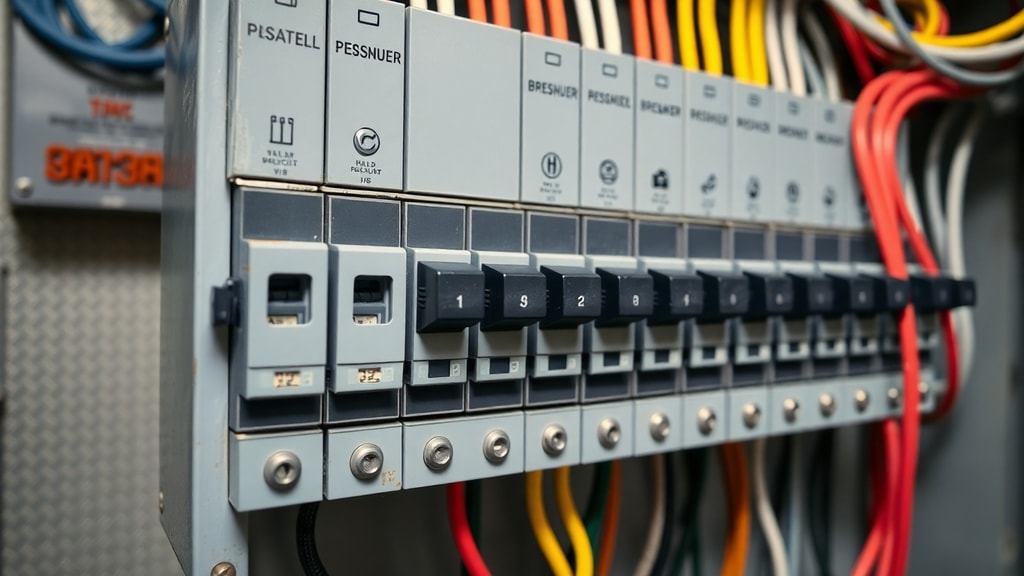
- 40 A breaker: Heavy duty circuits for industrial equipment or large air conditioners, using 6 mm² or 10 mm² wire.
Example Table of Disjuntor Sizing
The following textual table summarizes a common sizing scenario for 220 volt circuits in Brazil. Note that the actual values depend on installation method, ambient temperature, and number of conductors in the conduit.
Circuit Type | Breaker (A) | Wire (mm²) | Curve
Lighting | 10 | 1.5 | B
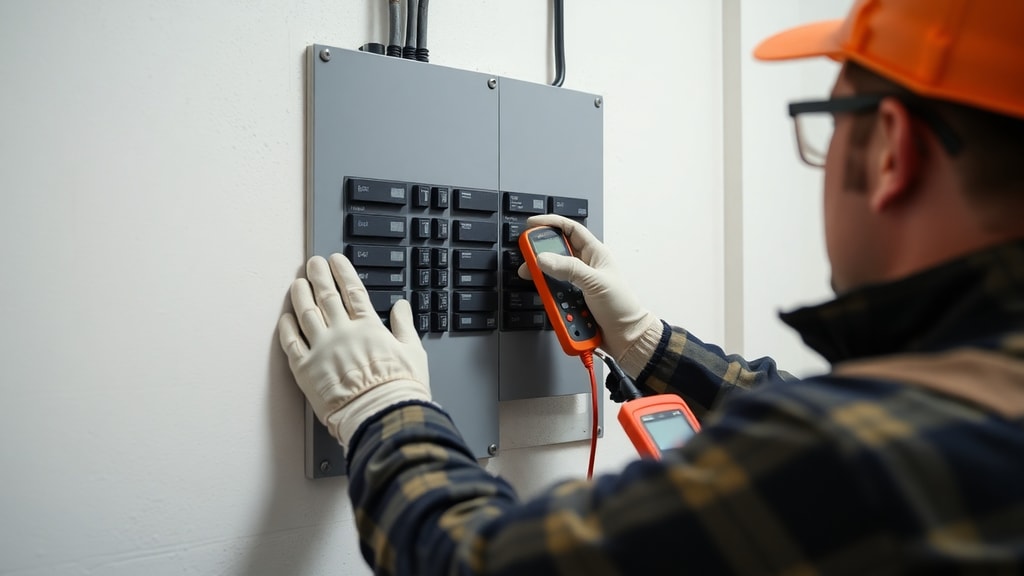
General outlets | 16 | 2.5 | C
Kitchen outlets | 20 | 2.5 | C
Electric shower | 32 | 6 | C
Air conditioner | 25 | 4 | C
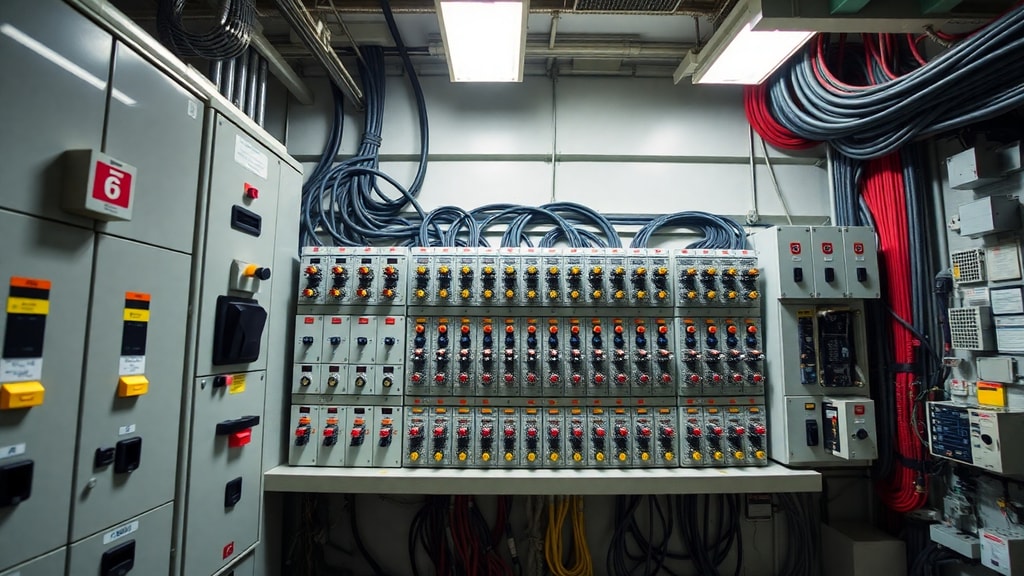
Industrial motor | 40 | 10 | D
How to Use the Table Correctly
First, determine the total load of the circuit in watts. Divide by the voltage to find the current. For example, a 4400 watt electric shower at 220 volts draws 20 amps. Looking at the table, a 20 amp circuit would require 2.5 mm² wire, but the shower is a continuous high load, so you should apply a safety factor and move to 4 mm² wire with a 25 or 32 amp breaker. Always verify the correction factors for ambient temperature and bundling. Many online calculators and detailed tables are available. For instance, the Arthur Harter table provides extensive data for various appliance types. Consult a resource like this detailed disjuntor table from Arthur Harter to cross-reference your circuit design.
Installation Considerations
When installing the circuit breaker panel, ensure that the main breaker and the branch breakers are properly coordinated. The main breaker must have a rating equal to or lower than the service entrance cable capacity. For solar systems or backup generators, additional disconnects and overcurrent protection are required. Always use breakers that are listed to the relevant safety standard, such as UL or IEC, and verify that the panelboard is rated for the available fault current. The trip curves also play a role in coordination; for example, a curve C breaker may be used for most branch circuits while the main breaker could be curve D to avoid nuisance tripping during startup surges.
Breaker Curve Selection in Practice
Selecting the right curve is as important as the current rating. For a circuit supplying incandescent lights and a few outlets, a curve B breaker works well because the inrush current is negligible. For a circuit with a refrigerator, which has a small motor, a curve C breaker is recommended to prevent tripping when the compressor starts. In commercial kitchens, deep fryers and ovens are mostly resistive, but the ventilation hood motor may require curve C. Heavy machinery with large motors, such as air compressors or elevators, call for curve D. When in doubt, consult the manufacturer data or an online tool like the Calculobra blog on circuit sizing for guidance.
Common Mistakes and How to Avoid Them
One frequent error is using a breaker that is too large for the wire, thinking that the breaker will protect the wire. In fact, the wire is the limiting factor; the breaker only protects the wire. If the wire is undersized, the breaker will not trip until the wire is already damaged. Another mistake is ignoring the ambient temperature derating. In hot attics, the current capacity of conductors can drop by 15 to 20 percent. The tabela de disjuntores must be adjusted accordingly. Also, never assume that all 16 amp breakers are the same; check the interrupting rating and the type of load terminals. Loose connections at the breaker or panel bus can also cause heat and failure.
Special Cases: Three Phase and Industrial Installations
For three phase installations, the table becomes more complex because line voltage and phase voltage differ. A 380 volt three phase motor draws less current per phase than a single phase motor of the same power, so smaller breakers and wires may be used. However, the starting current can be much higher, so a curve D breaker is often necessary. In industrial settings, the disjuntor table also includes factors for continuous load, motor duty cycle, and harmonic currents from variable frequency drives. Always base your design on the specific NBR 5410 tables or manufacturer documentation. The reference from CIDESP provides a comprehensive guide for residential and commercial applications.
Conclusion
A clear understanding of the tabela de disjuntores is fundamental for any electrician, engineer, or homeowner involved in electrical installations. By matching the breaker rating to the wire size, trip curve, and load type, you ensure safety and reliability. Always consult the latest version of NBR 5410 and use verified tables from reputable sources. Proper breaker sizing reduces fire risk, equipment damage, and nuisance tripping. When in doubt, consult a licensed professional.
References
1. NBR 5410 Low Voltage Electrical Installations, Brazilian Association of Technical Standards (ABNT).
2. Arthur Harter, Detalhes dos disjuntores para chuveiros e aparelhos. Available at: https://arthurharter.github.io/disjuntores.html
3. Calculobra, Dimensionamento de disjuntores tabela por circuito e bitola. Available at: https://calculobra.online/blog/dimensionamento-de-disjuntores-tabela-por-circuito-e-bitola
4. CIDESP, Disjuntores Tabela - Guia completo residencial. Available at: https://cidesp.com.br/artigo/disjuntores-tabela
5. Bras Distribuidora, Catálogo técnico Schneider Electric. Available at: https://www.brasdistribuidora.com.br/pdf/schneider_completo.pdf