Why Understanding a Circuit Breaker Amperage Chart Matters
When you look at an electrical panel, the numbers on the circuit breakers might seem random, but each one plays a specific role in protecting your home. A circuit breaker amperage chart helps you match the correct breaker size to the wire and the electrical load. Without this knowledge, you risk overheating wires, damaging appliances, or causing electrical fires. For electricians, DIY homeowners, and anyone planning a renovation, knowing how to read and apply this chart is essential. The concept of a tabela de amperagem dos disjuntores, which is Portuguese for circuit breaker amperage table, is widely used in Brazil and other countries to ensure safe electrical installations. This article will explain the key factors behind these charts, including common amperage ratings, wire gauge compatibility, and the rules that govern safe breaker selection.
The Golden Rule: Breaker Size Must Not Exceed Wire Ampacity
The most important principle in electrical safety is simple: the breaker's amperage rating must never be greater than the wire's ampacity. The wire's ampacity is the maximum current it can carry without overheating. If you install a 30A breaker on a wire rated for only 20A, the wire can melt before the breaker trips. This is why the tabela de amperagem dos disjuntores always pairs breaker sizes with specific wire gauges. For example, in Brazil, a 2.5 mm² copper wire can handle about 21 amps, so the recommended breaker size is 20A. In the US, 12 AWG wire has an ampacity of 25A, but it is standard to use a 20A breaker for safety margins. Always check the wire gauge before selecting a breaker. This rule applies to all circuits, from lighting to high-power appliances.
Common Residential Breaker Amperages
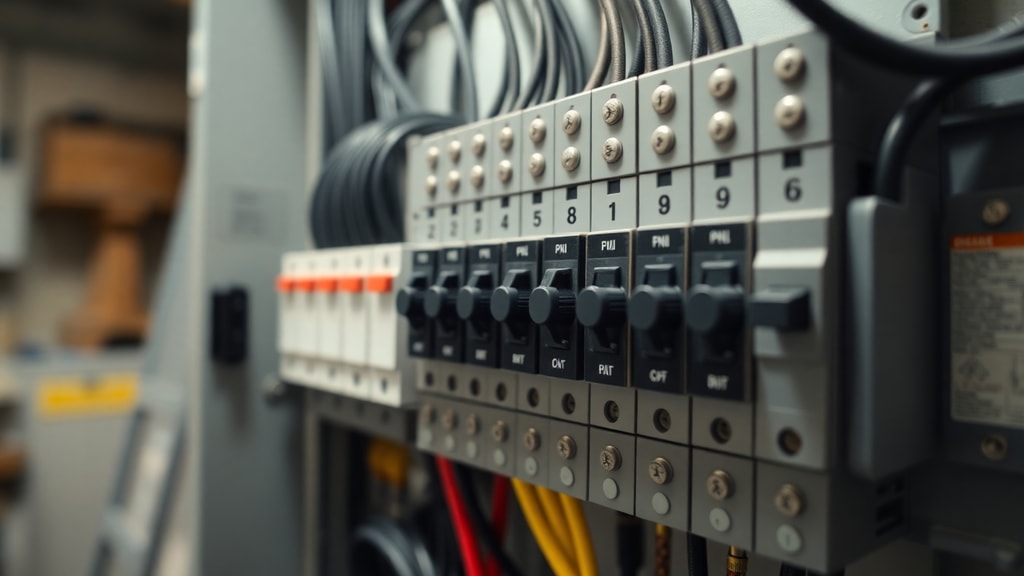
Homes typically use a range of breaker sizes depending on the type of circuit. The most common amperages you will find in a residential electrical panel are 10A, 16A, 20A, 25A, 32A, 40A, and 63A. In Brazil, these values follow the NBR 5410 standard, which is the national regulation for low-voltage electrical installations. Smaller breakers like 10A and 16A are used for lighting and general outlets in bedrooms and living rooms. Medium sizes such as 20A and 25A serve dedicated circuits for appliances like refrigerators, freezers, and ovens. Larger breakers like 32A and 40A handle high-power devices such as electric showers and air conditioners. The 63A breaker is often used for the main incoming supply to a typical home. Understanding which amperage fits which application is the core of reading a circuit breaker amperage chart.
Practical Applications by Amperage
To make the chart useful, here is a breakdown of common applications for each breaker size. This list reflects typical Brazilian residential installations but can be adapted to other regions with similar voltage standards.
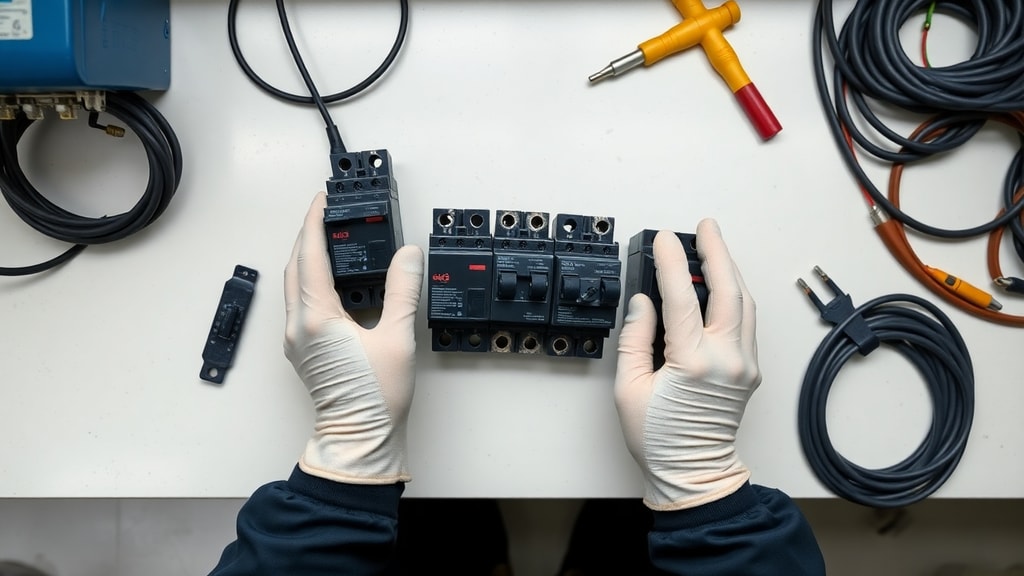
- 10 to 16 Amps: These breakers protect lighting circuits and general power outlets in bedrooms, living rooms, and hallways. In Brazil, 10A is common for individual light circuits, while 16A covers a group of outlets in a room.
- 20 Amps: Used for dedicated outlets for freezers, washing machines, or small kitchen appliances. In Brazil, 20A breakers often serve specific socket outlets in kitchens and laundry areas.
- 25 Amps: Suitable for electric showers rated around 5,500W at 220V or for electric ovens. This is a common size for medium-power appliances that require a stable current draw.
- 32 Amps: This breaker size handles higher-power electric showers of about 7,500W at 220V, or air conditioning units up to 18,000 BTU. It is also used for some water heaters.
- 40 Amps: For very powerful electric showers rated at 7,500W on 127V systems, or air conditioners up to 24,000 BTU. In some cases, 40A breakers feed subpanels in garages or workshops.
- 63 Amps: Typically serves as the main breaker for an average residential electrical panel in Brazil. It protects the entire home from overloads and short circuits at the service entrance.
These examples show how the tabela de amperagem dos disjuntores translates into real-world wiring decisions. Always verify voltage and wattage of your appliances before selecting a breaker size.
Wire Gauge and Ampacity Relationship
The connection between wire size and breaker amperage is direct. In Brazil, wire cross-sections are measured in square millimeters (mm²), while in the United States, the American Wire Gauge (AWG) system is used. The table below shows typical pairings for copper wire in residential circuits. Note that these values assume standard conditions and may vary based on insulation type and ambient temperature.
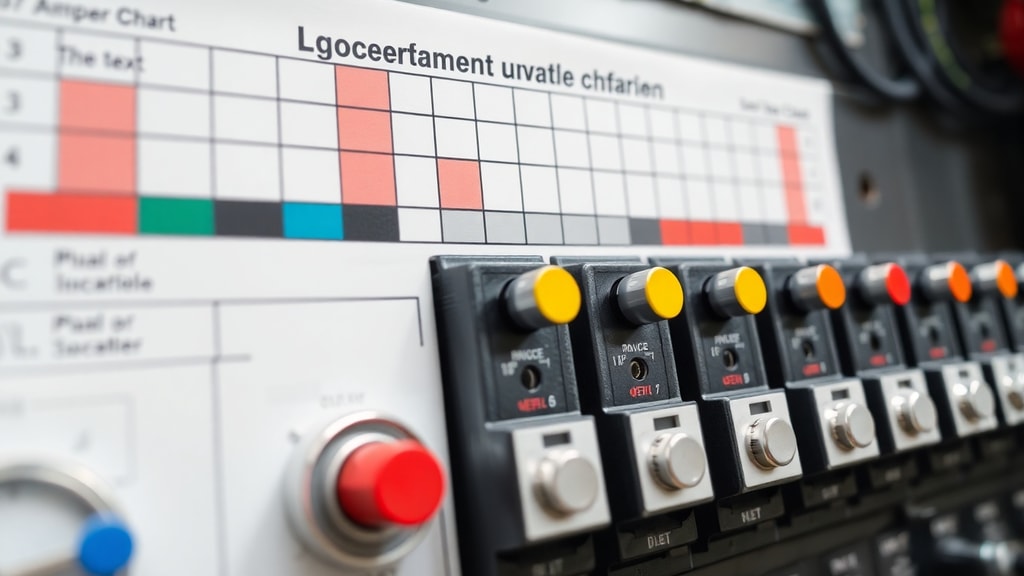
| Wire Gauge (mm²) | Wire Gauge (AWG) | Max Ampacity (Amps) | Recommended Breaker Size (Amps) |
|---|---|---|---|
| 1.5 mm² | 14 AWG | 15 A | 10 A or 16 A |
| 2.5 mm² | 12 AWG | 21 A | 20 A |
| 4.0 mm² | 10 AWG | 28 A | 25 A |
| 6.0 mm² | 8 AWG | 36 A | 32 A |
| 10 mm² | 6 AWG | 50 A | 40 A |
| 16 mm² | 4 AWG | 68 A | 63 A |
This table is a simplified version of the full tabela de amperagem dos disjuntores used by electricians. Always consult the specific manufacturer's data and local codes for exact ratings. For instance, 12 AWG wire is rated for 25A in some conditions, but the National Electrical Code in the US limits it to 20A for most residential circuits. In Brazil, NBR 5410 provides similar derating factors.
Continuous Loads and the 125% Rule
When a circuit powers a device that runs for three hours or more, it is considered a continuous load. Examples include electric water heaters, baseboard heaters, and some space heaters. For continuous loads, the breaker should be sized at 125% of the load current. Alternatively, the breaker should not be loaded beyond 80% of its rated capacity. This is a critical safety factor because breakers can heat up over time under sustained load. If you have a continuous load of 16A, you need a breaker rated at least 20A (16A x 1.25 = 20A). Ignoring this rule can cause nuisance tripping or, worse, thermal damage to the breaker panel. Always apply this factor when reading or creating a circuit breaker amperage chart for continuous-duty circuits.
Brazilian Standard NBR 5410 and Its Role
In Brazil, the NBR 5410 standard is the authoritative guideline for low-voltage electrical installations. It specifies how to select breakers based on wire size, load type, and environmental conditions. The tabela de amperagem dos disjuntores used by Brazilian electricians is directly derived from this standard. NBR 5410 also addresses grouping factors, voltage drop, and protection against short circuits. For anyone working on electrical projects in Brazil, compliance with NBR 5410 is mandatory. This standard ensures that circuits are safe, efficient, and consistent across the country. You can access the official document through the Brazilian Association of Technical Standards at ABNT. Many manufacturers of electrical components, such as Schneider Electric Brasil, provide amperage tables and selection guides that align with NBR 5410, making it easier for professionals to choose the correct breaker.
How to Use a Circuit Breaker Amperage Chart Step by Step
First, determine the total load of the circuit you want to protect. Add up the wattage of all devices that will be connected, then divide by the voltage to get the current in amps. For a 220V circuit with 5,500W of load, the current is 25A. Next, check the wire gauge already installed or choose the appropriate gauge for that current. Using the chart, select a wire that can handle at least the calculated current. Then pick a breaker that matches or is slightly lower than the wire's ampacity. Do not exceed the wire rating. Finally, apply the continuous load factor if needed. For example, a 20A circuit with a continuous load should use a breaker that is not loaded beyond 16A. This systematic approach ensures safety and code compliance.
Common Mistakes When Selecting Breakers
One frequent error is using a breaker that is too large for the wire, often because the installer wants to avoid nuisance trips. This is dangerous because it eliminates the wire protection. Another mistake is ignoring the temperature rating of the wire and breaker. High temperatures reduce ampacity, so breakers may trip prematurely or wires may overheat. Also, mixing wire gauges on the same circuit can create a weak point. Some people assume that all 20A breakers are the same, but different brands and types have different trip curves and interrupting ratings. Always verify compatibility with your panel. Finally, forgetting to derate for multiple conductors in a conduit can lead to overheating. A good tabela de amperagem dos disjuntores will include derating factors, but many DIY users skip this step.
Conclusion
A circuit breaker amperage chart is more than a list of numbers. It is a practical tool that connects wire size, load current, and safety standards. Understanding the golden rule that the breaker must never exceed the wire's ampacity is the foundation. Knowing which breaker size fits common appliances such as lights, showers, and air conditioners helps homeowners and electricians plan installations correctly. Following standards like NBR 5410 in Brazil ensures that the chart is applied correctly. Whether you are rewiring a single room or designing a new house, always refer to the chart and consult a licensed professional when in doubt. Safe electrical practice starts with the right breaker for the right wire.
References
Associação Brasileira de Normas Técnicas (ABNT). NBR 5410 – Instalações elétricas de baixa tensão. Available at: https://www.abnt.org.br/
Schneider Electric Brasil. Tabela de amperagem de disjuntores e seleção de cabos. Available at: https://www.se.com/br/pt/